How to Invest in US Stocks from India (And Why You Probably Should)

Quick disclaimer: I’m a designer, not a financial advisor. Nothing here is investment advice. Do your own research, talk to a SEBI-registered advisor for the big decisions.
For most of my parents’ generation, “investing” meant FDs, gold, real estate, and maybe a few Indian blue-chip stocks. Buying Apple or Microsoft was something rich uncles in Dubai did. That has completely changed in the last few years — and most Indians I know still don’t take advantage of it.
Here’s the case, and the how.
Why bother investing in US stocks from India
Three real reasons:
- Geographic diversification. A portfolio that’s 100% Indian assets is a bet on one country, one currency, and one regulatory environment. Adding US exposure spreads that bet.
- Access to companies you cannot buy on NSE/BSE. The most valuable companies in the world — Apple, Microsoft, Google, Nvidia, Amazon, Meta — aren’t listed in India. You can buy their products. You can also own a sliver of them.
- Currency tailwind. The rupee has historically depreciated against the dollar by roughly 3–4% per year on average. That’s a quiet annual boost to USD-denominated returns when converted back to INR.
None of these are reasons to put your entire portfolio in US stocks. They’re reasons to have some exposure.
Three ways to do it
1. Direct investing via Indian platforms
Apps like Vested, INDmoney, IndStocks, Groww, and Kuvera let you open a US brokerage account from India and buy actual US-listed stocks and ETFs. Fractional shares are supported, so you can buy ₹500 worth of Apple. Best for: people who want to pick specific companies.
2. Indian mutual funds with US exposure
Funds like Motilal Oswal Nasdaq 100 FoF, Edelweiss US Technology Equity, Franklin India Feeder – Franklin US Opportunities invest in US markets on your behalf. You hold an Indian mutual fund (taxed and held like any other), they hold the US assets underneath. Best for: people who want one-tap exposure without managing a separate US brokerage account.
3. ETFs on Indian exchanges
Some India-listed ETFs (like Motilal Oswal’s Nasdaq 100 ETF) track US indexes and trade on NSE/BSE. You buy them through your normal Indian Demat account, the same way you buy any Indian ETF. Best for: people who want US exposure with the simplest possible operational setup.
The boring practical stuff
- LRS limit. The Liberalised Remittance Scheme allows up to USD 250,000 per year in outward remittance. For most retail investors this is effectively unlimited. (TCS applies above ₹7 lakh in a financial year for most cases — check the current rate before sending.)
- Taxation. Capital gains on direct US stocks are taxed in India. Long-term (>24 months) at 12.5% with indexation removed, short-term at slab rate. Dividends are taxed at slab rate (with credit for US tax withheld). Indian mutual funds investing in US markets are taxed like equity-oriented or debt funds depending on classification — check before you buy.
- Reporting. Foreign assets above certain thresholds must be reported in your ITR’s Schedule FA. Don’t skip this.
My take
Start small. Use a platform you trust. Add to it monthly the same way you’d SIP into a mutual fund. Don’t time the market. Don’t try to pick the next Nvidia.
The most expensive mistake here isn’t picking the wrong stock. It’s not starting — and watching the dollar grind upward against the rupee for the next decade while you stayed on the sidelines.
Did this land? Tap a reaction.
😼 Billa Alert!
Take back your sleep routine. Schedule phone switch-off with Nightcap on Android.
Read post →Try apps made by me
View all in Foundry →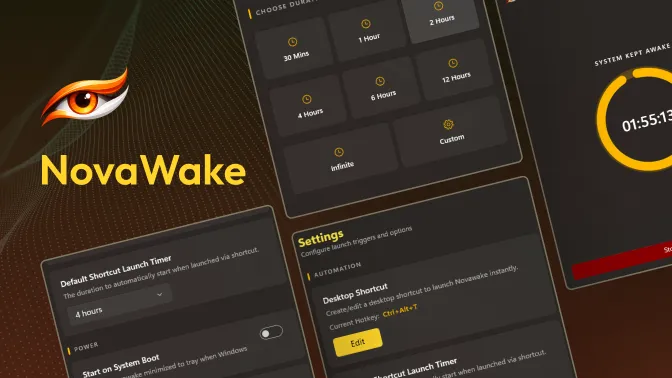
NovaWake
WindowsA lightweight Windows utility that keeps your PC awake when you need it. Prevents Windows from entering sleep during downloads, presentations, or long-running tasks with custom timers, system tray controls, and global shortcut keys.
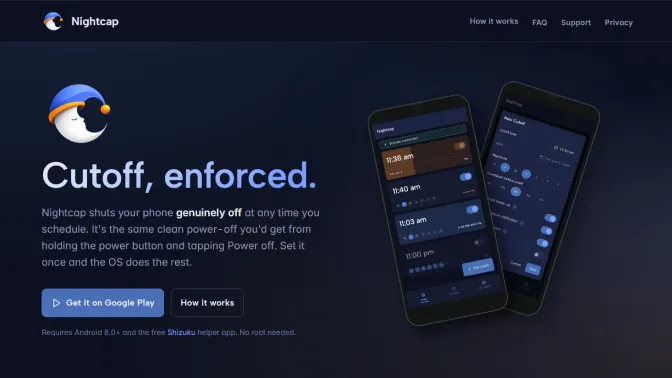
Nightcap
AndroidNightcap powers your phone all the way off at any time you schedule. Not a screen dimmer or a Do Not Disturb toggle you can swipe away in a second, but a real shutdown.

EmotiX
Web AppA curated collection and explorer for Japanese text emoticons (kaomojis). Browse through various mood categories, find a face for every feeling, and copy expressions instantly with a single click.

Puffie Blocks
Web AppA tiny collection of calm, no-pressure casual games. Includes memory matching and an endless 2048 icon garden, designed to let you relax, unwind, and pass the time.
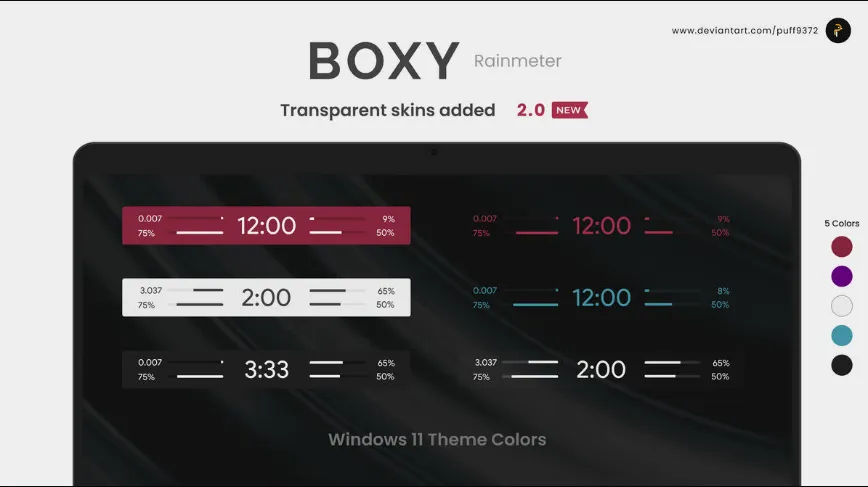
BOXY Rainmeter Skin
WindowsA modern, minimal, and clean system information skin for Rainmeter. It displays core desktop metrics in a beautifully simplified form, featuring color themes designed to match Windows 11 layouts.
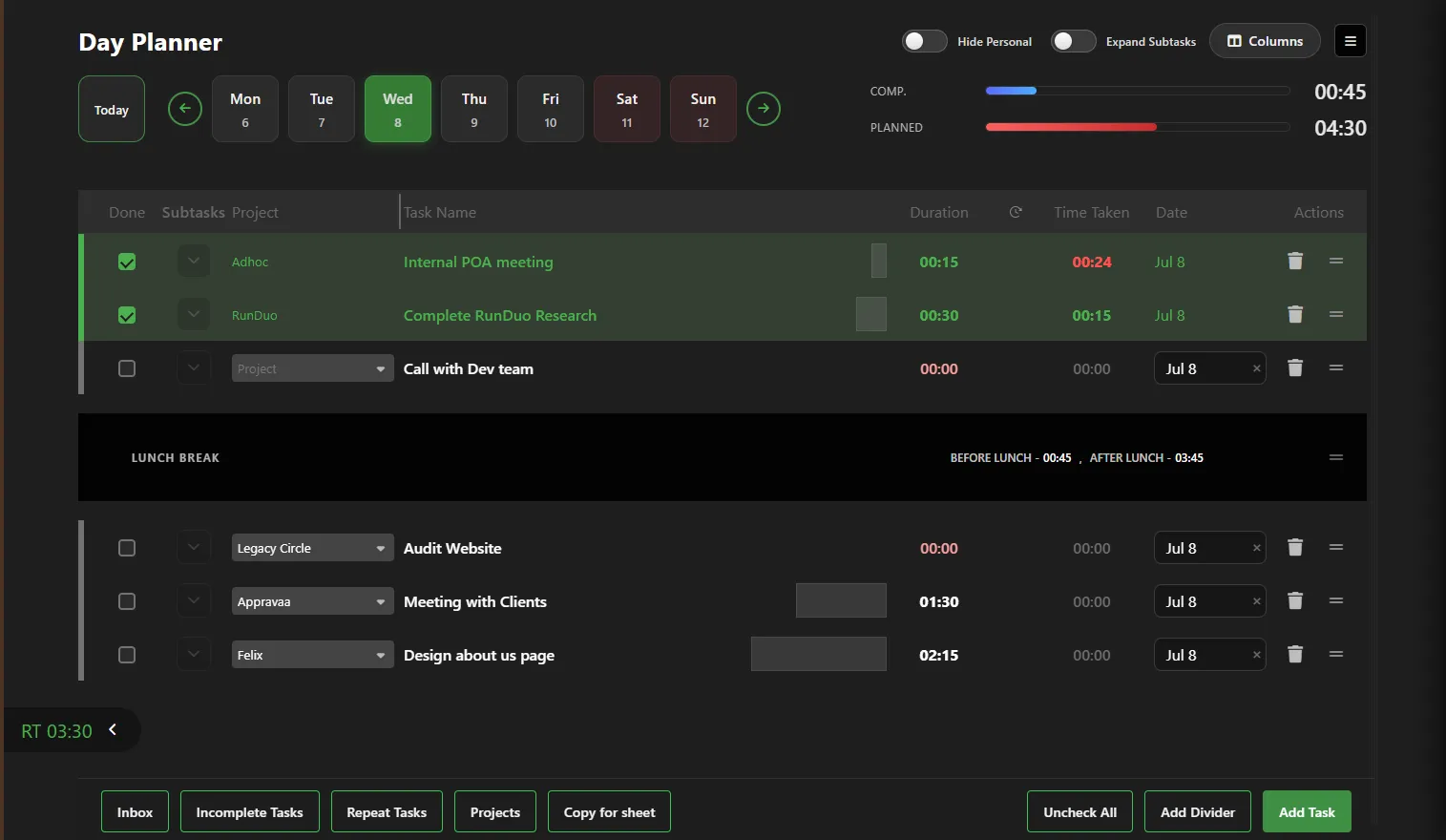
Day Planner
Web AppA task and schedule planner tailored for corporate and office professionals. It enables user-friendly task scheduling, calendar-based day planning, and interactive project completion tracking.