Everything You Need to Know About Tatkal Booking and how to Actually Get Your Train Ticket
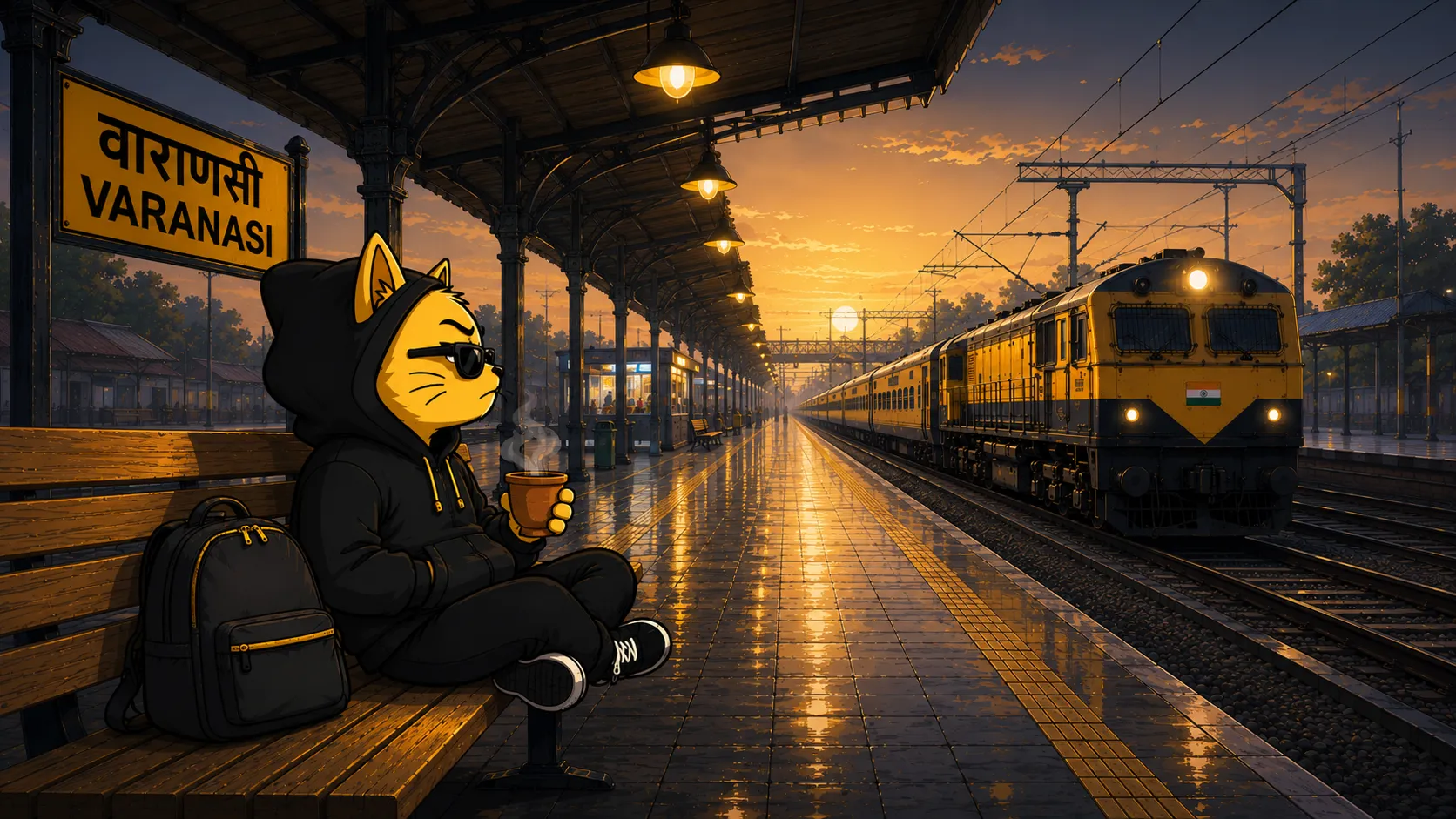
December 23, 2025. 10:00 AM sharp. Downdetector’s IRCTC page lit up. 68% of complaints against the website, 31% against the app, all four metros failing inside the same three-minute window. It wasn’t a rare bad day. It was a Tuesday.
This is Tatkal. Indian Railways’ emergency last-minute booking window, and probably the largest predictable peak-load event in Indian consumer internet. Millions of us hit the same URL at the same second, funnelled through a single government backend that has never quite matched the demand it created. Some get through. Most don’t. A specific unlucky slice pays the fare, sees No PNR generated, and waits a week for the refund.
So here’s my honest playbook. What Tatkal actually is. Why IRCTC face-plants like clockwork. The apps I use. The R-wallet trick most guides skip. And what to do when Tatkal isn’t the right answer at all.
First, what even is Tatkal?
Know this already? Skip ahead.
Tatkal is Indian Railways’ emergency last-minute booking window. Two windows daily, opening exactly one day before the train leaves its originating station (more on why that phrase matters below):
- 10:00 AM IST. AC classes: 2AC, 3AC, Chair Car (CC), plus Executive Class (EC) and Anubhuti Class (EA) on premium trains that offer them (Shatabdi, some Rajdhani and Vande Bharat services). Heads-up: 1AC (First AC) does NOT have Tatkal quota. Most guides list all AC classes without this caveat.
- 11:00 AM IST. Sleeper (SL) and Second Sitting (2S).
Tatkal booking charges are fixed, not demand-based. 10% of base fare for 2S, and 30% of base fare for every other Tatkal-eligible class, with min/max caps per class. In practice: sleeper adds about ₹100-200, 3AC and Chair Car ₹300-400, 2AC ₹400-500. A ₹1,200 sleeper ticket becomes roughly ₹1,400. A ₹2,400 3AC ticket becomes about ₹2,800.
The quota is small. Roughly 10-30% of that class’s total seats. On Rajdhani-grade trains during festival week, that’s fifty-odd Tatkal seats for a couple of thousand hopefuls.
Two 2025 IRCTC Tatkal rule changes that catch people out (still in force in 2026):
- Since 1 July 2025, only Aadhaar-verified IRCTC accounts can book Tatkal. No verification, no booking.
- Since 15 July 2025, an Aadhaar-based OTP is required for every online Tatkal booking. Keep your Aadhaar-linked mobile number handy at 10:00 AM.
Two things nobody tells you clearly:
- A confirmed Tatkal ticket is non-refundable if you cancel it. Waitlisted Tatkal tickets (TQWL) that never confirm are auto-cancelled by the system at chart preparation and refunded (minus fees) to your original payment method. You don’t need to file a TDR (Ticket Deposit Receipt) for a fully waitlisted e-ticket. The system handles it. Bank credit usually takes 3-7 working days.
- You cannot modify a Tatkal ticket after booking. Wrong name, wrong age, wrong ID number. Eat the loss and rebook.
A few more useful facts:
- Maximum 4 passengers per PNR under Tatkal quota. Half the 6-passenger cap on the general quota. At least one passenger must be an adult. Family of 5+? You’ll split across two Tatkal PNRs, which means two separate booking attempts on the same day.
- Tatkal is not the same as the Foreign Tourist Quota. Two different quotas, different eligibility. Foreign Tourist Quota is bookable only via specific channels (IRCTC counters at select stations or the international portal) with passport verification. If you’re travelling on an Indian ID, Tatkal is your route.
- IRCTC caps how many tickets a single account can book per month. Currently 12 for standard accounts, 24 for Aadhaar-verified. Tatkal bookings count toward this. Check the remaining count before Tatkal day. You don’t want to hit the ceiling right before a critical booking.
The one thing that confuses everyone: when does the window actually open?
This trips up almost every first-timer. The Tatkal window opens based on the train’s originating station departure date. Not your boarding date. Not your calendar journey date. Not “the day you’re travelling.” Get this wrong and you’ll miss the window entirely, or wait a day too long.
Here are the scenarios that catch people out, using November 15 as the reference journey date and Delhi as the origin (unless noted).
Legend: ✅ standard case · ⚠️ book earlier than you’d expect · ❌ likely missed · ⏳ too early to book
| # | Train’s origin & departure | You board at | Tatkal opens | Status & lead time |
|---|---|---|---|---|
| 1 | Delhi, 4:25 PM Nov 15 | Delhi, Nov 15 | Nov 14, 10 AM AC / 11 AM SL | ✅ 1 day before you board. The standard case. |
| 2 | Delhi, 11:15 PM Nov 15 (late-night) | Delhi, Nov 15 | Nov 14, same window as #1 | ✅ 1 day before. Origin date is what counts, not the hour. |
| 3 | Delhi, 12:20 AM Nov 15 (post-midnight, feels like Nov 14 night) | Delhi, Nov 15 | Nov 14, same window as #1 | ✅ 1 day before. Origin date is officially Nov 15, so Tatkal is 24 hrs earlier. |
| 4 | Delhi origin 11:25 AM Nov 14; reaches Bhopal 3:00 AM Nov 15 | Bhopal, Nov 15 | Nov 13, 10 AM AC / 11 AM SL | ⚠️ 2 days before you board. Intermediate-boarder penalty (origin was a day earlier than your boarding). |
| 5 | Kanyakumari origin 3:10 AM Nov 14; reaches Delhi 8:00 PM Nov 16 | Delhi, Nov 16 | Nov 13, 10 AM AC / 11 AM SL | ⚠️ 3 days before you board. Long-haul intermediate penalty; train left origin 3 days before you get on. |
| 6 | Delhi, 6:00 AM Nov 15; you check IRCTC at 12:00 PM Nov 14 | Delhi, Nov 15 | Windows opened Nov 14 at 10/11 AM | ❌ Windows opened 1-2 hrs ago. Tatkal doesn’t technically “close,” but for popular routes the quota is usually gone in seconds. Try Premium Tatkal, waitlist, or a different train. |
| 7 | Delhi, 4:25 PM Nov 17; today is Nov 15 | Delhi, Nov 17 | Nov 16, 10/11 AM | ⏳ ~24 hrs too early. Tatkal is 24 hrs before origin, not 48. Set an alarm for Nov 16, 9:55 AM. |
The rule to internalise: find your train’s originating station, look up its scheduled departure date at that origin, subtract exactly 24 hours. That’s when your Tatkal window opens. If your boarding station is different from origin, ignore your boarding date entirely for Tatkal-timing purposes. Only the origin’s departure date matters.
The “Status & lead time” column above shows the number that actually matters: how many days ahead of your own boarding you need to be at your phone. For simple same-origin bookings, it’s 1 day. For intermediate-station passengers on long-distance trains, it can be 2 or 3.
Why IRCTC crashes at 10 AM every single day
IRCTC is a single-provider backend. No competing gateway. Every Tatkal attempt in India, from a UPI-happy 25-year-old in Bengaluru to an agent in Ballia running twenty bookings on a laptop, funnels into the same servers at 10:00 AM and again at 11:00 AM. One of the largest predictable peak-load events in Indian consumer internet, run through infrastructure that visibly buckles under it.
The apps I actually use
Most guides tell you to book on the IRCTC Rail Connect app. After enough Tatkals on high-demand routes, my ranking is different:
RailOne > IRCTC website > IRCTC Rail Connect app.
RailOne is the newer official Indian Railways app, built to replace IRCTC Rail Connect. Snappier, cleaner UI, and (the big one) integrates the R-wallet natively. That’s the fastest payment path available. More on that in the next section.
IRCTC’s website on a PC is my second choice. Desktop browsers are more stable than mobile stacks, and a wired connection almost always beats mobile data.
IRCTC Rail Connect, the old official app, comes third. It works. But it’s slower and clumsier than RailOne on the same hardware.
Third-party apps are useless for Tatkal. ConfirmTkt, ixigo, RailYatri, Paytm, MakeMyTrip. Every one of them hits IRCTC’s backend for the actual ticket issuance. When IRCTC is down, they’re down too. And they add a redirect step during Tatkal that costs you the seconds you don’t have.
Keep them for what they’re actually good at:
- ConfirmTkt. The best waitlist confirmation prediction I’ve found. Usually within 10% of what actually happens. Best for general-quota bookings a few days out.
- ixigo Trains. Best UX, offline schedules, GPS-based live tracking, paid “Assured” cancellation insurance.
- RailYatri. Food-to-your-seat delivery at scheduled stations. Also owns IntrCity SmartBus, useful when weighing rail vs bus.
The R-wallet trick: the single biggest tip
If you take one thing from this post, take this: use the IRCTC R-wallet (or RailOne’s R-wallet, same thing) as your payment method. Not UPI.
Every other payment method has a redirect chain. Cards redirect to 3DS. Net banking to a login flow plus OTP. UPI to your bank app for approval. R-wallet doesn’t redirect at all. It’s an in-IRCTC wallet with a pre-loaded balance. You confirm inside RailOne/IRCTC and the ticket-generation transaction fires immediately after. No round-trip. Just an internal debit. Once I switched, I stopped losing tickets to redirect-lag on payment. I haven’t gone back to UPI for Tatkal since.
Setup, the day before:
- Aadhaar-verify your IRCTC account. R-wallet for Tatkal only works on Aadhaar-verified accounts. 5 minutes, works instantly.
- Load the wallet with the fare + ₹100-200 buffer. Critical. A common failure mode: R-wallet has just enough for the base fare, then the transaction fails at the surcharge line.
- One-time activation fee of ₹50. Pays for itself on the first successful Tatkal.
- RailOne wallet ≠ IRCTC wallet. Same login, separate balances. Load whichever one you’re actually booking on.
The catch: R-wallet funds are not withdrawable back to your bank. Load per-attempt or per-month. Don’t stockpile ten grand thinking you’ll use it later.
Not Aadhaar-verified and it’s already 9:55? Use UPI QR scan. Don’t type the UPI ID, scan the QR IRCTC shows you. Second-fastest path, no setup. Just add “Aadhaar + R-wallet” to your to-do for next time.
The 24-hour pre-flight: set up before you sprint
Half the Tatkal war is fought the day before, when nobody is watching. The people who consistently get tickets aren’t faster typers. They’ve done the boring setup work. In rough order of importance:
- Aadhaar-verify your IRCTC account. Prerequisite for R-wallet and some OTP-gated Tatkal flows. Ten minutes. Do it today.
- Load your R-wallet with fare + ₹100-200 buffer. Single biggest speed unlock (covered above).
- Fill in your Master List. My Account → Master List, add every passenger you might book for. At 10:00 AM you’re tap-tap-tapping from a list, not typing. That’s 30 seconds saved on the exact timeline that matters. Small catch: the list cannot be edited between 9:55-10:15 AM, so do the editing the night before.
- Enable browser autofill + a password manager on PC. Bitwarden or Protonpass is my pick. Ctrl+Shift+L auto-fills IRCTC credentials in half a second if you get logged out mid-booking.
- Turn on Windows clipboard history (Windows + V). Backup for the Master List. Paste passenger name/age/ID rapid-fire without typing.
- Log in at 9:55-9:56 AM (10:55-10:56 for sleeper). Earlier and IRCTC’s session timer logs you out. Later and servers are already slow.
- Watch the IRCTC clock, not your phone. IRCTC’s clock (top-right on web) is what the servers use. It can run several seconds ahead. Hit search when IRCTC’s clock rolls to 10:00:00.
- Pick your train the night before. Train number, class, quota, passenger list, boarding station. All decided.
- Have a Plan B train picked. Same route, different train, later time. Five-second switch instead of five-minute scroll.
- Stay active while you wait. Click around, scroll. Idle sessions get killed at the worst possible moment. Session timeout duration is not fixed. Under normal load it can be 10-15 minutes. During high-demand Tatkal windows I’ve seen it drop to a couple of minutes without warning. Treat “active” as clicking or scrolling every 30-60 seconds, not every five.
Do these and you’ve beaten 70% of people who show up cold.
The 90-second sprint, second by second
The critical window is short. Here’s the sequence I run every time:
- 9:55 AM. App/browser open. Logged in. Master List confirmed. R-wallet loaded. Watching the IRCTC clock top-right (website) or top of screen (RailOne). Not your phone clock.
- 9:58 AM. Enter journey details (from, to, date). Do NOT click “Check Availability” or hit search yet. Clicking on Tatkal quota before 10:00 sharp locks you into the previous state. I hold my hand back from that button until 9:59:59. No exceptions.
- 9:59 AM. Stay active. Scroll a bit, click around the page. Don’t sit idle. IRCTC’s session timer will log you out at the worst possible moment. Happened to me the first three times before I learned.
- 10:00:00 (IRCTC clock). Hit search. Select Tatkal quota. Tap “Book Now” the moment the button goes active. If it doesn’t respond, hit search again. Sometimes the “book” button isn’t active right away, and a second search kicks it live.
- 10:00:05. Passenger table. Tap-tap-tap from Master List. Do NOT set berth, coach, or seat preferences. Every extra selection is a failure vector. Tick “Book only if confirmed berth allotted” (prevents ending up on TQWL, which almost never confirms). Optionally tick “Auto-upgrade.” It costs you nothing, and gives you a higher-class berth if one is available. If nothing eligible is free, it does nothing. Never downgrades. Never blocks your booking.
- 10:00:20. Captcha. Three tricks I use: (a) look at the availability number on this page. If it shows more than 10 seats, my confirmation chance is high. (b) If the captcha is unreadable, tap the refresh icon to get a clearer one. Fastest fix. Takes under a second. (c) Or hit “Play Audio Captcha.” The audio is almost always clearer than a distorted text/image, and typing what you hear is faster than trying to OCR it with your phone camera (which costs you 3-5 seconds you don’t have). Small note: desktop and app captchas behave differently. The IRCTC website usually shows a text-based image captcha. The mobile apps sometimes serve a numeric-only or slider variant. Practise on whichever surface you’ll actually book on.
- 10:00:35. Payment. R-wallet? Tap and confirm. No redirect. UPI? Scan the QR IRCTC shows, don’t type the ID.
- 10:00:50. Confirmation screen. Do not close the app. Do not refresh. It can take 30-90 seconds for the ticket to actually generate. A long loading spinner isn’t always failure. I’ve had confirmed tickets show up 80+ seconds after payment. Screenshot the moment the PNR appears.
What never to do in that 90 seconds:
- Never refresh on an error. Sends you back to the queue. Often logs you out.
- Never rapid-click “Proceed” on a high-load error. Wait 2-3 seconds between clicks. Rapid clicking triggers the bot filter and kicks you out.
- Never hit back at the captcha or the payment page. Same problem as refresh.
- Never switch apps between UPI approval and IRCTC callback. Task-switching kills the callback on some devices.
- Never open multiple tabs for parallel bookings. IRCTC’s rate limiter reads this as bot behaviour and locks the session.
Speed comes from removing decisions from the critical window. Not from making them faster.
The origin-station trick: my favourite advanced hack
This is the one that separates people who consistently get Tatkal from everyone else. Honestly, it’s the tip I’m most protective of.
Book from the train’s originating station to its final destination, not from your actual boarding station to your actual destination. Even if your real journey is a short leg in the middle. Then, after booking but before chart preparation, change your boarding station to your actual one using IRCTC’s boarding-point change feature.
Why this works: Tatkal quota is allocated differently for origin-to-end tickets than for intermediate bookings. Origin-to-end usually has a much larger quota, because the railway prefers full-journey passengers. TQWL confirmation odds are also better from origin. I’ve tested this on Delhi-Kanpur (booked as Delhi-Howrah) and Mumbai-Nashik (booked as Mumbai-Bhusawal). Got confirmed seats where the direct Tatkal had gone to waitlist inside the first minute. Not a myth. Not a bot trick. Just an underexploited quirk of the quota system.
The catch: you’re paying the origin-to-end fare, which is higher than your actual journey fare. On a Delhi-Kanpur trip using a Delhi-Howrah booking, you’ll overpay by roughly ₹200-400 in sleeper, more in AC. Not free. But often the difference between “confirmed” and “wait-listed” is worth the fare bump.
The boarding-point change itself is simple. Log into IRCTC, go to Booked Tickets, select your PNR, tap “Change Boarding Point,” pick your actual station. Do it any time before chart prep (usually 4 hours before departure).
Two warnings: (1) The boarding-point change has to happen before chart prep. Otherwise your reserved berth releases to someone else. (2) Don’t do this on very short routes where the fare difference is disproportionate. Sensible on long trains through your city. Not sensible on a two-hop route.
The trap that hurts most: money debited, no PNR
Tatkal’s signature betrayal. Payment goes through, bank shows the debit, IRCTC shows nothing. No PNR. No confirmed booking.
Why: payment gateway and ticket issuance are two separate steps. Payment settles fast. Issuance depends on IRCTC’s core booking service, which is exactly what collapses under Tatkal load. Timeout after payment = you’ve paid for nothing.
What to do:
- Don’t panic-retry. Wait 60 seconds. Check “Booked Tickets.” If nothing shows, IRCTC auto-refunds in 3-7 working days.
- Screenshot everything. Bank debit, IRCTC screen, timestamp. If the refund misses the week, file with IRCTC (139 / care@irctc.co.in) or the payment gateway.
- Check “Transaction History” before you rebook. Rarely, the ticket did issue and just failed to display. I’ve watched a friend end up with three fares for one seat.
- File same-day. IRCTC uses ticket-age as a triage signal.
Refunds do land. What kills you isn’t the money. It’s the plan. The refund lands the day after your travel date. Build a Plan B into the booking day, not after failure.
One contested tip: some claim the payment page holds your seat briefly even with slow payment, so cards might still land you a ticket. My experience: worked once, failed three times. Not long enough to bet a Tatkal on. Stick with R-wallet or UPI QR.
The agent-and-bot debate, honestly
Every conversation about Tatkal eventually gets here: how do agents seem to get every ticket while nobody else can?
Licensed IRCTC agents are registered, pay a fee, and get slightly higher rate limits. A documented commercial tier, not a secret backdoor. But since a 2025 rule change, IRCTC restricts registered agents from booking Tatkal in the first 30 minutes of each window. 10:00-10:30 AM for AC classes. 11:00-11:30 AM for Sleeper/2S. That’s a 30-minute individual-first window in each slot. The first half-hour of Tatkal is a level playing field between you and agents. This is the big update most guides miss.
Unauthorised bots exist and periodically get busted. IRCTC runs an active anti-bot programme. Bots come back because the economics work. Persistent, not invincible.
The one thing this debate ignores: for a licensed agent’s fee (₹150-300), you’re outsourcing the 10 AM stress to someone whose job it is. Using a licensed agent after their 10:30 AM window opens is a rational call. Not cheating. Just paying for a service. Unlicensed touts running scripts are the ones actually gaming the system.
Four ways around the 10 AM sprint
Tatkal is one option. It’s not always the best option. Most travellers reach for it reflexively because it’s the loudest. Four better bets on the railway system itself:
1. Waitlist + confirmation prediction. For most General Waitlist (GNWL) tickets, confirmation is likelier than you’d think. And a GNWL ticket booked several days early routinely has a higher confirmation probability than a TQWL (Tatkal Waitlist) landed at 10:00 AM the day before. The rules of thumb I use: GNWL 1-30 very likely, 30-80 coin flip, 80+ low. PQWL is riskier than the same GNWL number. TQWL almost never confirms. If your booking is 3+ days out and you land GNWL 20, you probably don’t need Tatkal at all. ConfirmTkt will tell you the exact probability.
2. VIKALP Scheme (the free superpower nobody uses). An opt-in tickbox at booking. If your original train doesn’t confirm, IRCTC auto-shifts you to an alternate train. You can select up to 7 alternate trains on the same or nearby route, within a 12-hour window of your original schedule. Free. Zero effort. For popular routes, often more useful than Tatkal itself. It converts a WL 40 into a confirmed seat on a nearby train without a single extra rupee.
3. RAC as a real Plan B. RAC (Reservation Against Cancellation) is not a waitlist. You can board and travel. Two RAC passengers share one side-lower berth. Uncomfortable, sure. But you get to your destination. For journeys under 8 hours, often the sane choice. Common myth to kill: RAC does not mean you’re stranded.
4. Premium Tatkal. Dynamic-pricing Tatkal. Two to three times the fare of regular Tatkal, but far less contested. Not every train offers it. Check the quota dropdown for a “PT” (Premium Tatkal) option on your specific train. If it’s there, and you can pay the premium, this is often the quieter door.
Off the rails: bus, flight, cab
For a lot of overnight and same-day routes, the honest move is to skip trains entirely. Break the “must be a train” reflex and options open up. Tatkal stops feeling like the only door.
Sleeper buses (RedBus, IntrCity SmartBus, Zingbus, VRL). GPS tracking, standardised berths, sanitiser washrooms. Modern Indian sleeper coaches are a real train alternative. RedBus is the marketplace. IntrCity is its own operator (owned by RailYatri). Two tips I’ve learned the hard way: pick the 2nd or 3rd sleeper compartment (within the wheelbase, less jerk, safer in a crash), and read reviews for the specific bus, not just the route. Operator quality varies wildly inside every aggregator.
Budget flights. On major metro pairs (Delhi-Mumbai, Delhi-Bengaluru, Mumbai-Bengaluru), same-day IndiGo/Vistara fares often drop to ₹2,500-4,500. That’s under a 2AC Tatkal after surcharge. Same money, three hours instead of sixteen, and you arrive rested. Cheapest days: Tuesday, Wednesday. Worst: Friday evening, Sunday.
Interstate cab pools (Ola Outstation, SavaariCar, BlaBlaCar). For 300-500 km routes with 2-3 travellers, an outstation cab often costs less per head than a 3AC Tatkal split three ways. Door-to-door. No 10 AM sprint.
Government buses. APSRTC, KSRTC, MSRTC, UPSRTC. For tier-2 and tier-3 destinations where private buses don’t run, state buses do. Not luxurious. But punctual, cheap, and reliable in a way private operators sometimes aren’t. Karnataka’s Airavat Volvo and Kerala’s KSRTC Garuda are especially loved.
Two-minute rule before every Tatkal attempt: check bus and flight prices on the same route. If either comes in under the Tatkal surcharge, that’s your answer.
Knowing when not to bother
The actual Tatkal skill isn’t in the 90 seconds. It’s in knowing when not to fight for one at all.
For every ten Tatkal attempts I’ve made or watched friends make, maybe three needed to be Tatkal attempts. The rest could’ve been a WL 15 that would’ve confirmed. A VIKALP tick that would’ve routed to a nearby train. An RAC that would’ve been fine for a 6-hour trip. A bus that would’ve arrived rested. The 10 AM sprint became the default because it feels like the urgent answer, and urgent feels productive.
Some of the calmest travellers I know don’t do Tatkal at all any more. They book two weeks out on the general quota. They use VIKALP as insurance. They treat RAC as a legitimate confirmation. They arrive rested. They pay less. And they aren’t refreshing IRCTC’s status page at 10:00:00 sharp.
Learn the playbook. The day will come when you need it: a real family emergency, a genuinely last-minute wedding, the meeting that couldn’t wait. But keep it as the emergency tool it was meant to be. Not the default.
Your chai will taste better at 10:04 AM if you’re not staring at a grey spinner.
Quick answers
Can I book Tatkal after chart preparation?
No. The Tatkal window closes when the chart is prepared, usually 4 hours before the train leaves its origin. Any Tatkal seats that remain unsold get released into the general Current Booking pool at regular fare (no surcharge). So you might still be able to grab a seat on that train, just not as a Tatkal ticket with Tatkal charges.
Is Tatkal available in 1AC?
No. 1AC (First AC) does not have a Tatkal quota. The Tatkal-eligible AC classes are 2AC, 3AC, Chair Car (CC), and Executive Class (EC) on trains that offer it (Shatabdi and some Vande Bharat services). Most other guides list all AC classes without this caveat. It's wrong.
Can two people use the same IRCTC account for Tatkal?
Technically yes. Practically no. An IRCTC account only allows one active session at a time. The moment someone else logs in, you're logged out. For a Tatkal attempt, that's fatal. If two people in your family want to try in parallel, use two separate Aadhaar-verified accounts and coordinate on which train and class each takes.
Which payment method is fastest for Tatkal?
R-wallet (or RailOne's R-wallet). No redirect chain, just an internal debit. Second-fastest is UPI QR scan (don't type the ID, scan the QR IRCTC shows). Cards and net banking are last. 3DS pages and OTPs add real seconds.
Why was money deducted but no ticket issued?
Because payment and ticket issuance are two separate transactions inside IRCTC. Payment settles in seconds. Ticket issuance depends on IRCTC's core booking service, exactly what's collapsing under Tatkal load. When issuance times out after payment has cleared, you get the debit but no PNR. Auto-refund lands in 3-7 working days on your original payment method. Screenshot everything and don't panic-retry.
What is TQWL?
TQWL = Tatkal Waitlist. A waitlist specifically for Tatkal-quota tickets. Unlike the General Waitlist (GNWL), TQWL almost never confirms. It doesn't get promoted through the normal cancellation cascade. Tick 'Book only if confirmed berth allotted' at booking to avoid ending up on it.
Did this land? Tap a reaction.
😼 Billa Alert!
Take back your sleep routine. Schedule phone switch-off with Nightcap on Android.
Read post →Try apps made by me
View all in Foundry →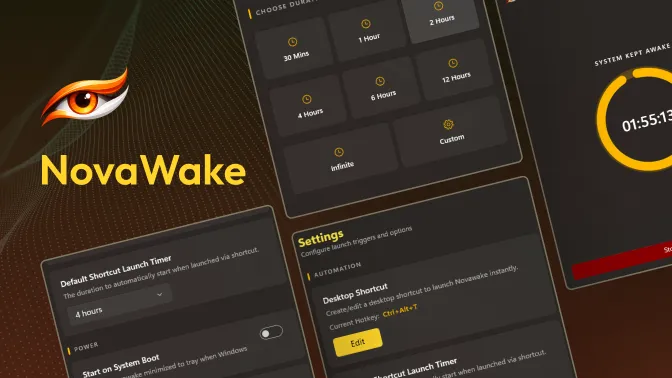
NovaWake
WindowsA lightweight Windows utility that keeps your PC awake when you need it. Prevents Windows from entering sleep during downloads, presentations, or long-running tasks with custom timers, system tray controls, and global shortcut keys.
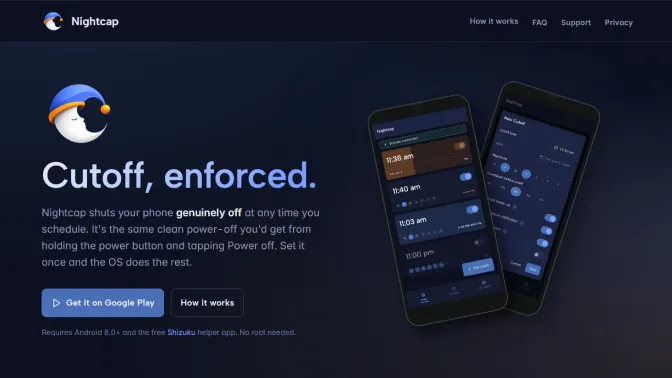
Nightcap
AndroidNightcap powers your phone all the way off at any time you schedule. Not a screen dimmer or a Do Not Disturb toggle you can swipe away in a second, but a real shutdown.

EmotiX
Web AppA curated collection and explorer for Japanese text emoticons (kaomojis). Browse through various mood categories, find a face for every feeling, and copy expressions instantly with a single click.
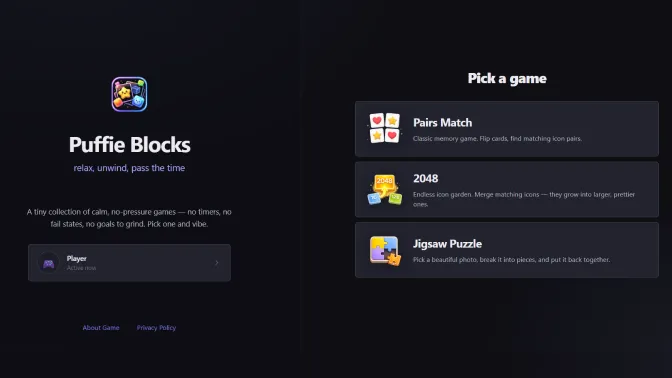
Puffie Blocks
Web AppA tiny collection of calm, no-pressure casual games. Includes memory matching and an endless 2048 icon garden, designed to let you relax, unwind, and pass the time.
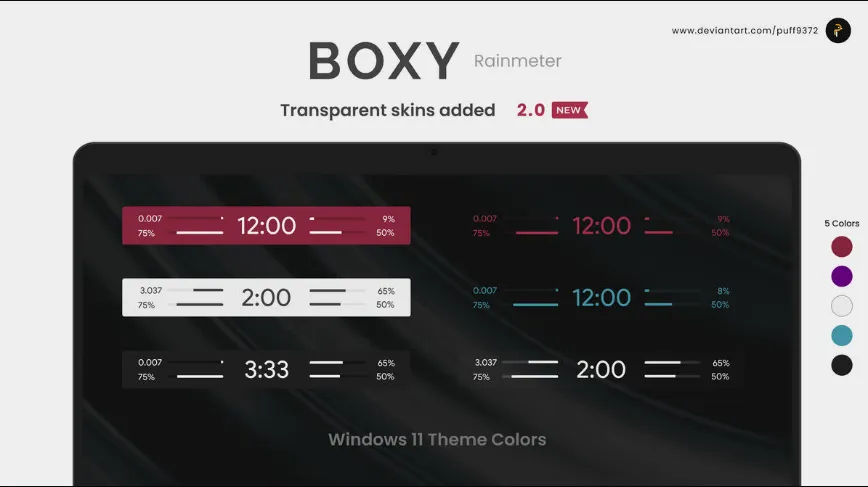
BOXY Rainmeter Skin
WindowsA modern, minimal, and clean system information skin for Rainmeter. It displays core desktop metrics in a beautifully simplified form, featuring color themes designed to match Windows 11 layouts.
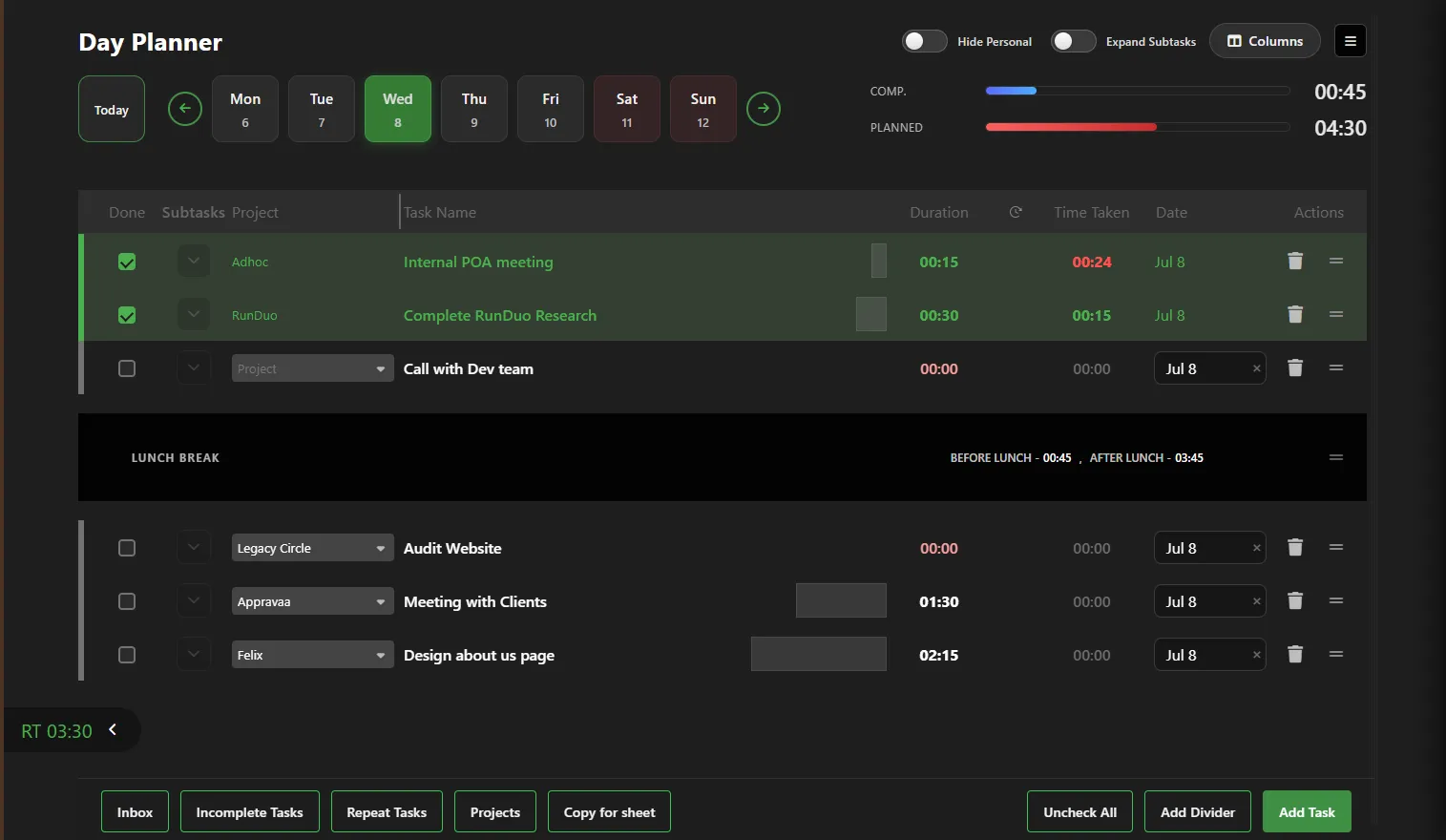
Day Planner
Web AppA task and schedule planner tailored for corporate and office professionals. It enables user-friendly task scheduling, calendar-based day planning, and interactive project completion tracking.